EES and ETIAS: Transforming Border Control in Europe
Europe is on the verge of a major transformation in how it manages its external borders. Two new systems — the Entry/Exit System (EES) and the European Travel Information and Authorization System (ETIAS) — are set to fundamentally change the travel experience for non-EU nationals.
What is the EES?
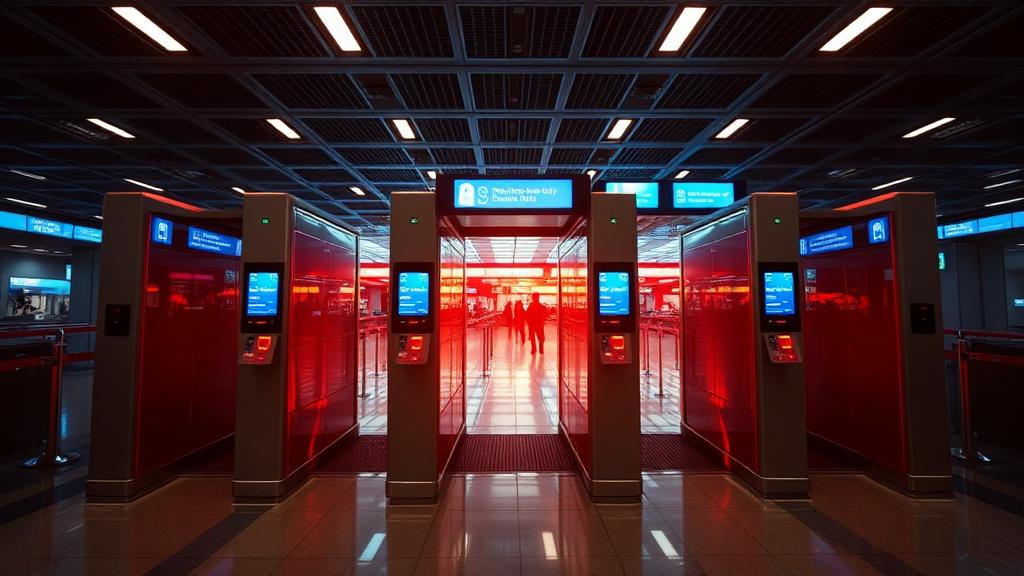
The Entry/Exit System (EES) is an automated IT system that will register non-EU travelers crossing Schengen external borders. It replaces the current system of manual passport stamping with:
- Biometric data collection: Fingerprints and facial images captured at the border
- Digital entry/exit records: Automatic tracking of entries, exits, and refusals
- Overstay alerts: Automated notification when a traveler exceeds their authorized stay
- 90/180-day calculation: Precise digital tracking of remaining days in the Schengen area
What is ETIAS?
The European Travel Information and Authorization System (ETIAS) is a pre-travel authorization system for visa-exempt travelers. Similar to the US ESTA or Canadian eTA, it will require travelers from 60+ visa-exempt countries to obtain authorization before traveling to the Schengen area.
Key details:
- Cost: €7 per application (free for under 18s and over 70s)
- Validity: 3 years or until passport expiry
- Processing time: Most applications approved within minutes
- Required for: Citizens of visa-exempt countries (US, Canada, Australia, UK, Japan, etc.)
Timeline
Both systems have faced multiple delays but are expected to launch in phases:
- EES: Expected to launch at major airports and land borders in 2025
- ETIAS: Expected to follow approximately 6 months after EES implementation
Impact on Visa Holders
If you hold a Schengen visa, the EES will affect you directly. Your biometric data will be captured on first entry, and the system will automatically calculate your remaining authorized days. This means overstaying — even by a single day — will be immediately flagged, potentially affecting future visa applications.
How to Prepare
- Expect longer wait times at borders during the initial implementation phase
- Ensure your passport has sufficient validity and blank pages
- Keep careful track of your 90/180-day Schengen stay allowance
- If you need a visa, apply well in advance to avoid complications with the new systems