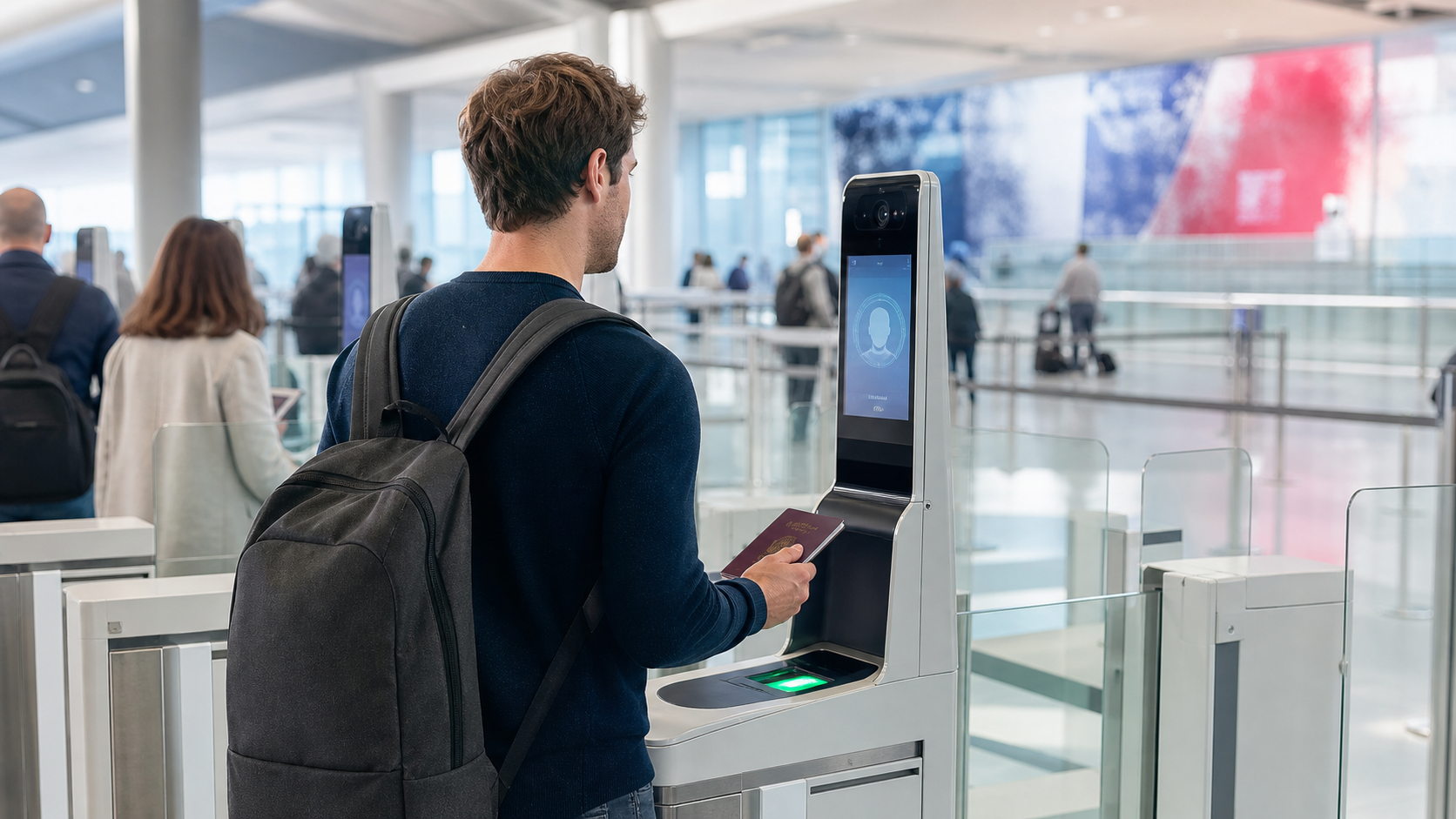
France Travel in July 2026: EES Is Live, So Visa Holders Should Prepare for Digital Border Checks
If you are travelling to France in July 2026, the Entry/Exit System (EES) should be treated as part of the normal border process.
There has been confusion around EES timing because the launch was phased. The important update is this: the European Commission says EES started operations on 12 October 2025 and became fully operational on 10 April 2026. So for July 2026 travel, this is not just a pilot or future rule. It is live across Schengen external borders.
What EES changes
EES is a digital border registration system for non-EU nationals travelling for a short stay. It applies whether you are visa-required or visa-exempt. In simple terms, the system records when you enter, when you leave, and whether you are refused entry at the external border.
Instead of relying on manual passport stamps, border authorities can record:
- Passport and travel document details.
- Date and place of entry.
- Date and place of exit.
- Refusal of entry, if that happens.
- Facial image and fingerprints for biometric checks.
For a France visa holder, this does not replace the visa. If you need a Schengen visa, you still need a valid Schengen visa before travelling. EES is the border registration step after you arrive.
Who should expect EES checks when travelling to France?
You should expect EES if you are a non-EU national entering the Schengen area for a short stay of up to 90 days in any 180-day period. That includes many travellers arriving with a France Schengen visa, and many visa-exempt travellers entering France for tourism, business, family visits, events, or short courses.
The first entry point matters. If you fly from outside Schengen directly into Paris, Lyon, Nice, or another French external border point, EES registration may happen in France. If you connect through another Schengen country first, EES may happen there instead.
Does EES mean longer queues?
The first registration may take longer than a traditional passport stamp, especially if fingerprints and a facial image need to be collected. Returning travellers may move faster once their record already exists, but travellers should still leave extra time for border control.
This is especially important during July, when France and the wider Schengen area handle heavy summer travel. A good rule is to avoid tight self-transfers and to keep onward travel plans realistic on the day you arrive.
What to carry at the border
EES does not remove the usual entry conditions. A visa lets you travel to the border, but border officers can still ask why you are travelling and whether you meet the conditions for entry.
France-Visas says travellers may need to show supporting documents such as accommodation evidence, proof of resources, insurance, and documents linked to the purpose of travel. For France, the resource reference is generally EUR 65 per day with a hotel booking, EUR 120 per day without a hotel booking, or EUR 32.50 per day when hosted by an individual with a validated accommodation certificate.
That means your border folder should be simple and easy to understand:
- Passport and valid visa, if required.
- Return or onward ticket.
- Hotel booking, host certificate, or accommodation proof.
- Travel insurance.
- Recent financial proof or payment cards.
- Invitation, event booking, school letter, or business letter if relevant.
What HelpMyVisa recommends
Before travelling, check that your visa validity dates, number of entries, and allowed duration match your itinerary. Then check that your documents tell one consistent story: where you will stay, why you are going, how long you will remain, and how you will pay for the trip.
EES makes border records more precise. That is good for travellers who follow the rules, but it also means overstays and mismatched travel histories are easier to detect.
For July 2026, the best approach is calm preparation: arrive with time, carry your proof, and make sure your trip matches the visa you were issued.
Sources: European Commission EES update, European Commission EES fully operational notice, France-Visas arrival guidance.